
5 Questions About The Point in Time Count
Later this month, Homeward will organize the Winter 2026 Point in Time (PIT) count for our region. The PIT count takes place annually and has been managed by Homeward since 1999.
PIT counts are a requirement from the U.S. Department of Housing and Urban Development (HUD) that communities conduct periodic counts of people experiencing homelessness as defined by federal regulations. This data is compiled both locally and nationally to inform programs, planning, and funding.
We often get questions about the role and impact of the PIT count, and since we’re preparing for the upcoming count we thought it’s a great time to answer the five most common questions we receive about PIT counts.
What is the Point in Time count?
The Point in Time count is a single-day count that provides a snapshot of changes and trends over time related to individuals and families experiencing homelessness in our region. PIT data are based on the actual numbers of people counted by experienced and trained volunteers. Those volunteers will travel across the region to literally count people experiencing homelessness – both in emergency shelter and living or staying outdoors. Volunteers also will complete surveys with individuals experiencing homelessness to get a better and direct understanding of their situation and needs.
Why does our region conduct this count?
Findings from PIT counts help our region’s coordinated network of homeless services learn about needs in the community from those individuals and families who are experiencing homelessness. By talking directly to people experiencing homelessness in our region, homeless services providers can lead more effective and impactful community change. Participating in the count helps our community be eligible for federal and state funding on homelessness although increases in funding come from legislative efforts to increase the amount of appropriations.
How is the count organized?
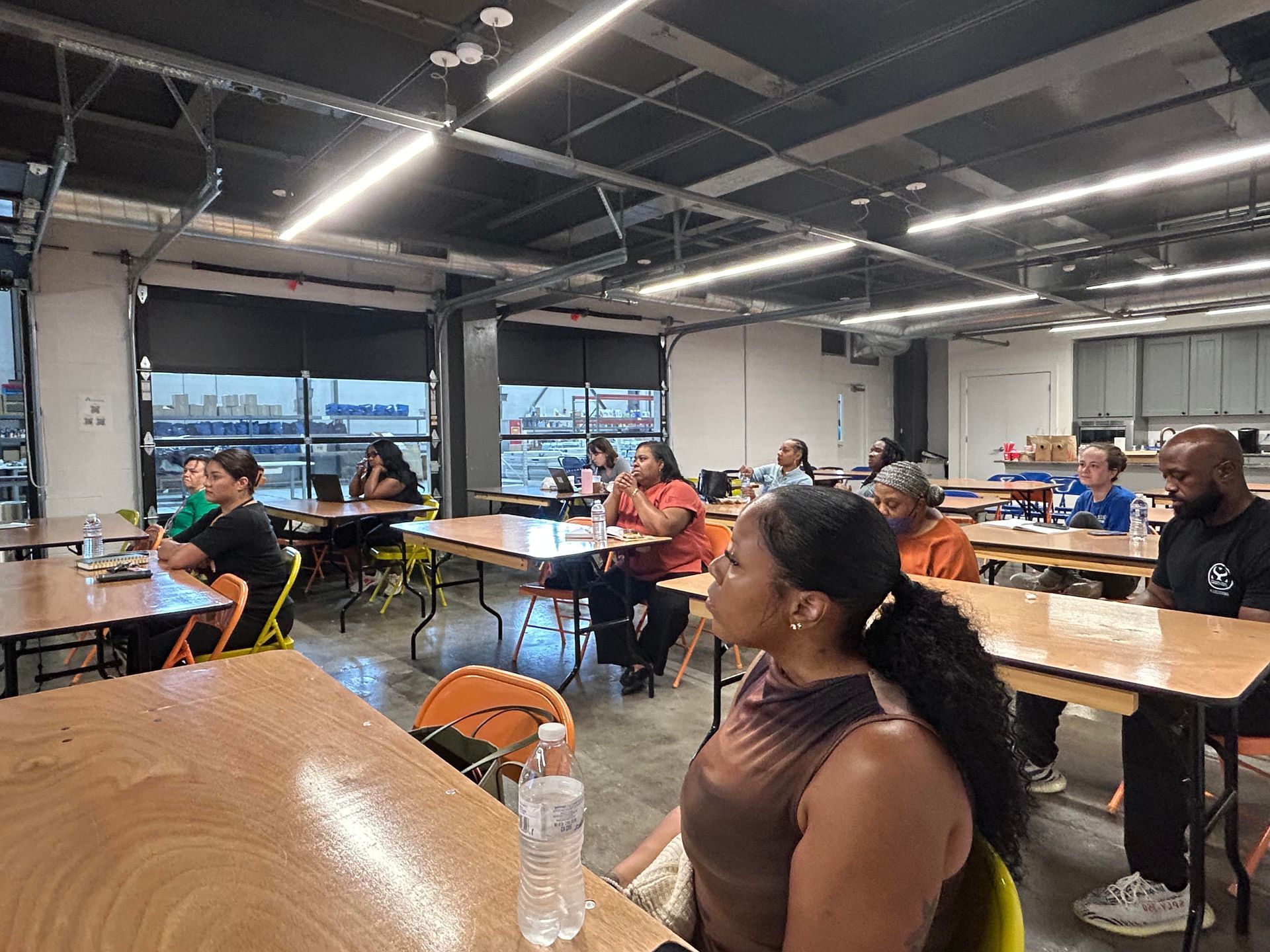
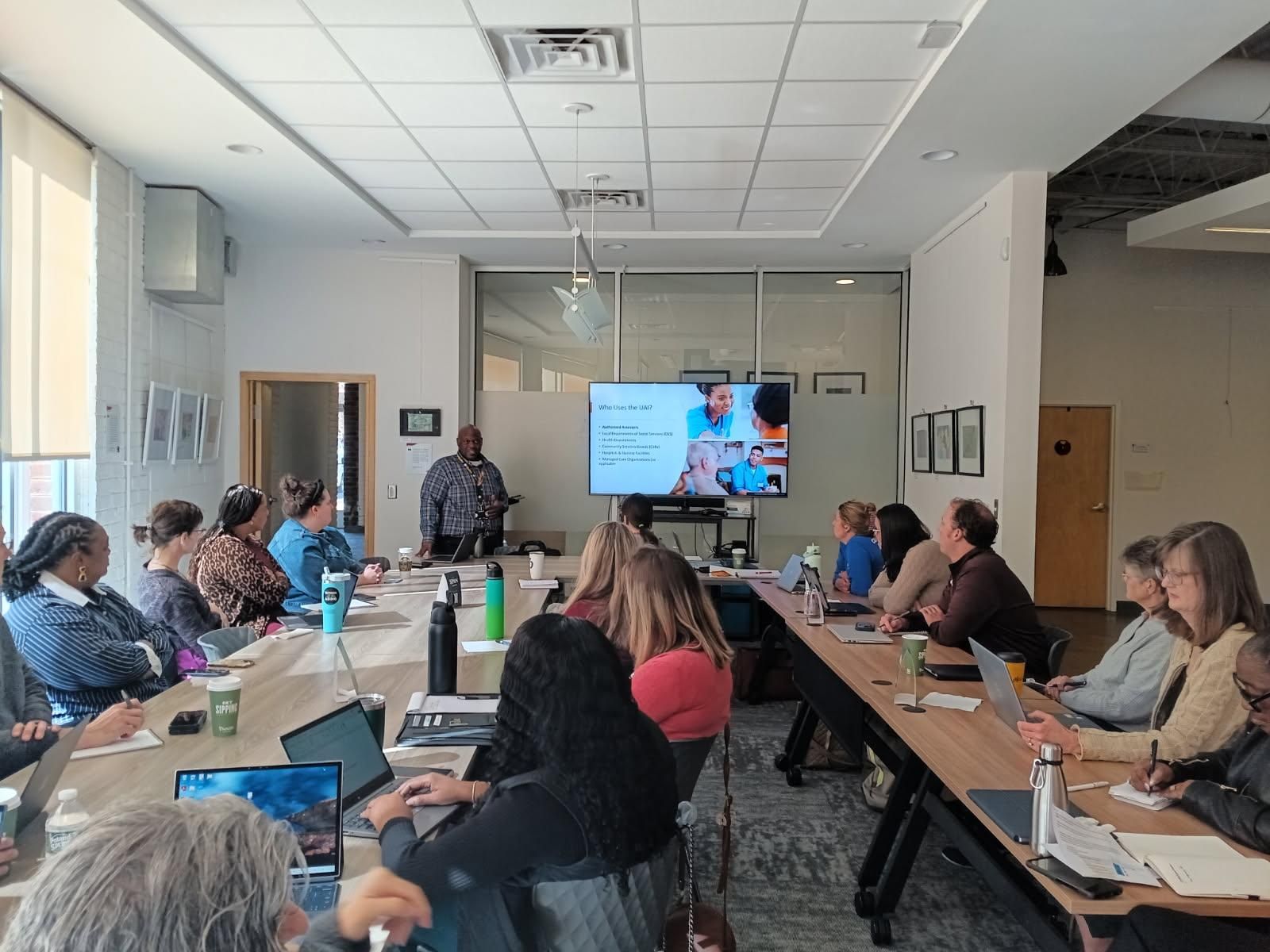
Homeward staff have coordinated and managed our region’s PIT counts for over 25 years. There is a lot of planning behind the scenes in order for the counts to provide high quality data. Homeward staff begin planning for a count more than a month in advance. For example, the team recruits and trains volunteers. Homeward also tailors the process for the count to each specific locality in our region to ensure the data collection is as thorough as possible.
How can I help?
We always appreciate this question and people’s interest in helping. Thank you! For the PIT count, the Homeward team relies on experienced and trained volunteers. Although opportunities for participating in the count itself is limited, there are other ways to offer support. For example, consider making winter care kits, which are often distributed during the count. Other ways to help include attending a training on our coordinated response to homelessness, sharing our region’s Coordinated Resources for Homelessness and Housing Assistance, and connecting with one of the agencies participating in the Count.
What can we learn from the PIT count results?
PIT counts offer a single-day snapshot of homelessness in our region. What’s particularly helpful is to analyze this data over time so we have a better understanding of the broad themes and trends related to homelessness. The PIT counts don’t capture everyone in crisis but can offer insights on what people need and where gaps exist. By talking directly with individuals experiencing homelessness, we have a better understanding of the causes of homelessness and what support really works. It’s also worth noting that the PIT count is just one piece of year-round planning, education, and service coordination among homeless service providers, local government, first responders, community support organizations, and others in our region. This work is 24/7/365 and the PIT count is a part of that continuous effort.
The Homeward team that’s responsible for the PIT count appreciates everyone’s interest and support in this initiative. It’s an important part of our collective work to identify the best ways to move our neighbors from homelessness to permanent homes.
If you want to get more involved in helping our most vulnerable neighbors experiencing homelessness, we encourage you to consider supporting Homeward or one of our partner agencies in the Greater Richmond Continuum of Care, our region’s network of local, mission-driven nonprofits serving individuals and families experiencing homelessness.