
Housing Focused Strategies Hold the Key to Ending Homelessness
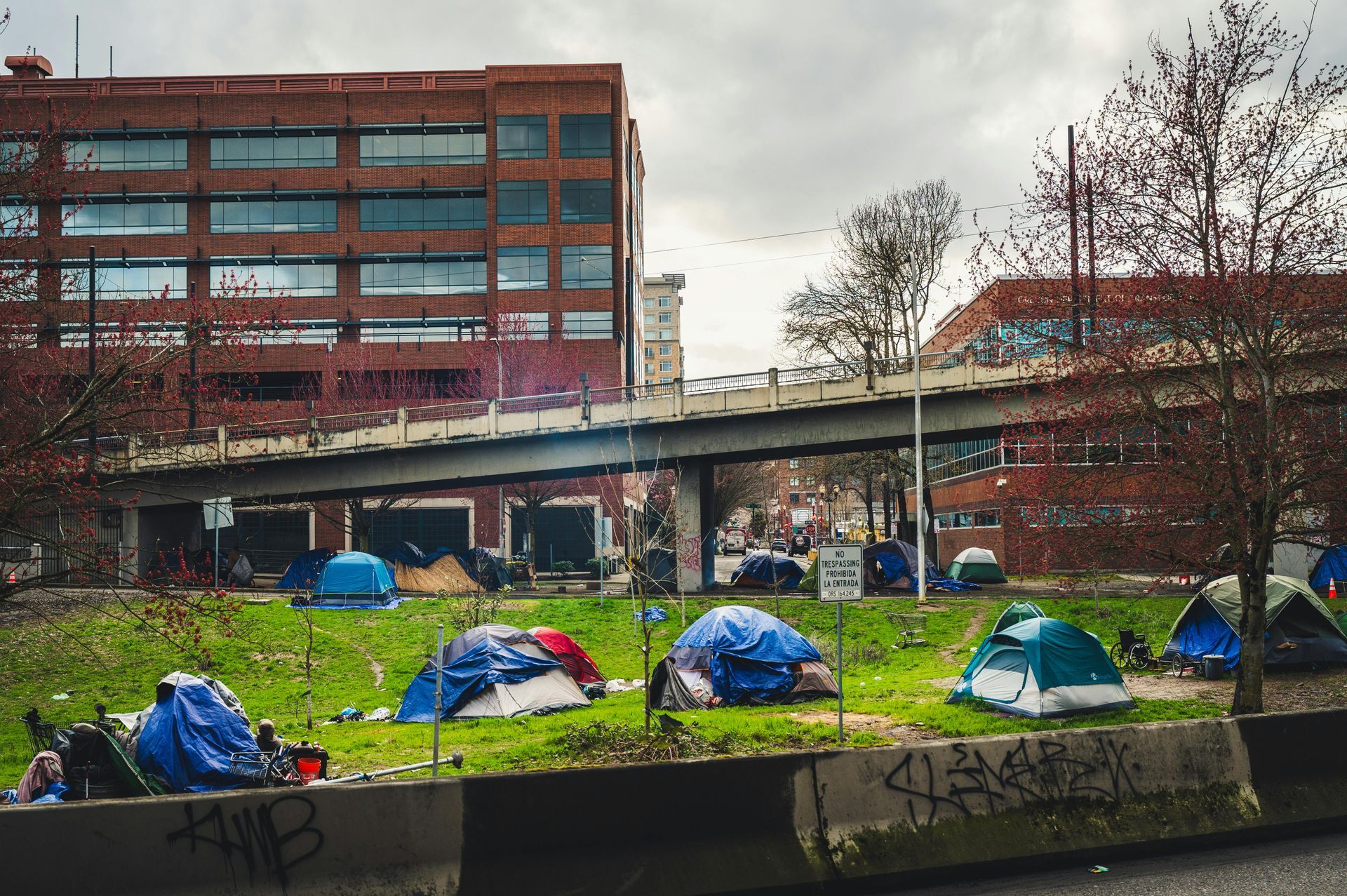
Our region's collaborative network of homeless service providers, The Greater Richmond Continuum of Care (GRCoC), supports solutions to homelessness that are focused on getting our neighbors off the street and on to pathways to a permanent home. Why is this approach considered a highly effective method for solving homelessness in our region and across the country?
Understanding Housing Strategies: A Compassionate Approach to Homelessness
Strategies that focus on providing pathways to housing are designed to address homelessness by prioritizing permanent homes for individuals experiencing homelessness. This approach operates on the principle that having a stable home is the foundational step towards improving one’s overall well-being. The core idea behind this strategy is that before individuals can tackle other challenges like finding employment, managing finances, or addressing substance abuse, they must first have their basic needs met—starting with a secure place to live. By ensuring this fundamental necessity, housing focused programs create a stable environment from which individuals can begin to rebuild their lives.
Client choice is a key component.
Individuals are given the autonomy to select their housing and participate in supportive services according to their needs and preferences. Empowering clients to make these decisions enhances their sense of control and commitment, increasing the likelihood of long-term housing stability and personal development. This approach is about fostering an environment where individuals can thrive, regain their dignity, and work towards a brighter future. By prioritizing housing, this approach offers a compassionate and practical solution to ending homelessness and improving the quality of life for those affected.
National Data Demonstrates Effectiveness and Reduces Cost Burdens on Communities.
Individuals in these programs access housing more quickly and maintain housing stability at higher rates than those in traditional homeless assistance programs. For example, Permanent Supportive Housing (PSH) has a housing retention rate of up to 98% after one year. Programs that prioritize permanent housing significantly reduce the use of emergency services, leading to substantial cost savings. One study found an average savings of $31,545 per person in emergency services over two years. Another study showed that these programs can cost up to $23,000 less per consumer per year than shelter programs.
Participants in these programs report higher levels of autonomy, choice, and control.
They are more likely to engage in supportive services, which leads to better outcomes in terms of employment, education, substance use reduction, and mental health.
A focus on permanent housing has been particularly effective in reducing veteran homelessness.
The approach has contributed to a 50% reduction in veteran homelessness in the United States.
Bipartisan and Administrative Support:
Homeless service programs that have a proven track record of success have garnered strong bipartisan support.
Our Region is a National Leader in Addressing Homelessness.
Homeward’s Executive Director, Kelly King Horne, presents regularly about solutions to homelessness to national audiences. Last year, she spoke at HUD's Quarterly Updates on how our region’s strategies positively changed how those experiencing homelessness in the Greater Richmond are served by our community of providers.