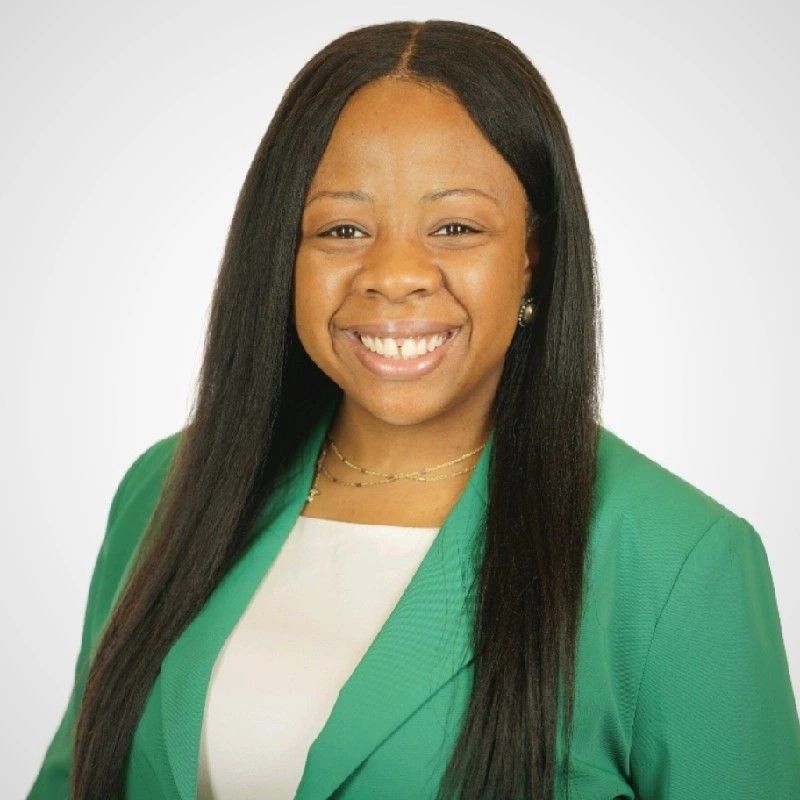

Staff Spotlight: Kavita Tiwari
“It is rewarding and meaningful to know that accurate data directly impacts planning and service delivery for people experiencing homelessness.”
Q: How did you get into homeless services as a field of work?
A: What began as an unexpected opportunity turned into something I believe I was meant to be a part of. My background is actually in two completely different fields: Chemistry and IT! After moving to the US and raising two wonderful children, I was ready to dive back into working. I knew it would be difficult to find work with the gap in my resume, but a friend and former colleague encouraged me to pursue my current role at Homeward. I am so grateful that I got the opportunity to work here.
I was amazed to learn how much coordination, support, and structure exists to assist people experiencing homelessness. That discovery really stayed with me. Once I started working in my role, I realized how important data and systems are for the success of direct services.
Everything was new to me when I first started: the systems, the reports, the data collection processes. But I am a fast learner, and I really wanted to do my best. I gave it my all. My IT experience helped too. I just completed my six-year anniversary with Homeward! My first supervisor, Margot, took me under her wing and taught me everything I know.
Q: What’s your job at Homeward and has it evolved since you first joined?
A: My current role at Homeward is HMIS Reporting Coordinator. I work with data all day, every day. Data is essential because it tells the true story of homelessness in our community. My team works towards improving the quality and the accuracy of federal reports, system performance measures, and many other metrics. When I first started, I used to just create and send the reports assigned to me. Over time, I have gained a deeper understanding of the reports we work on and why they matter. Agency meetings with our partners have helped build relationships with them and I have a better understanding of their needs and the challenges they face, which helps our team better support their teams.
Q: What are some parts of your job that you enjoy?
A: I like the problem-solving and collaborative aspects of my work: data cleaning, identifying patterns, and working with providers to correct errors so that the information we submit truly and accurately shows what’s going on in our community. It is rewarding and meaningful to know that accurate data directly impacts planning and service delivery for people experiencing homelessness. Being able to help, troubleshooting issues, and serving as a consistent point of support makes the work feel collaborative and meaningful.
Q: What have you been working on recently?
A: Right now, I am working on a federal report called the Longitudinal Systems Analysis (LSA). It’s very important that we submit this report with accurate data, because it impacts everything we do, including program planning and funding allocations. To submit the LSA, I have to follow up with service providers, make sure the data they submit is accurate and notice if anything is missing. I am always working on reports! Right after I finish this one, we’ll be working on the System Performance Measures (SPM) and Point-in-time count (PIT), and then the Housing Inventory Count (HIC), and more local reports. I am booked with reporting work for the next couple of months at least.
Q: Is there anything you wish more people knew or understood about homeless services as a field of work?
A: I wish more people understood how much coordination, data, and behind the scenes work goes into homeless services. It is a combination of several things: direct services, data collection and analyses, compliance with federal requirements, and collaboration with several agencies. We also have to rely on accurate data to drive decisions. This work is challenging but deeply impactful. Every data point that is being corrected improves the process. Supporting the providers in submitting accurate data ensures that people experiencing homelessness receive better and effective support.
Q: What motivates you?
A: What motivates me is knowing that the work I do behind the scenes has a real impact on people’s lives. Even though I’m not providing direct services, I know that accurate data, strong provider relationships, and well-supported HMIS systems help programs operate more effectively and sustainably.
I’m also very motivated with my team, the HMIS team, is very dedicated and they inspire me every day. My colleagues Margot and Latosha consistently bring in a solutions-focused mindset. I have never heard Margot say, “This can’t be done,” without investigating a solution first. If there is data and a way to get the requested data, we will find the answer. Working with Margot over the years has taught me there is always a way forward. Latosha plays a critical role in addressing data corrections. The three of us make this happen. Working with teammates who are committed, resourceful, and supportive pushes me to do my best work and makes even complex challenges feel manageable.