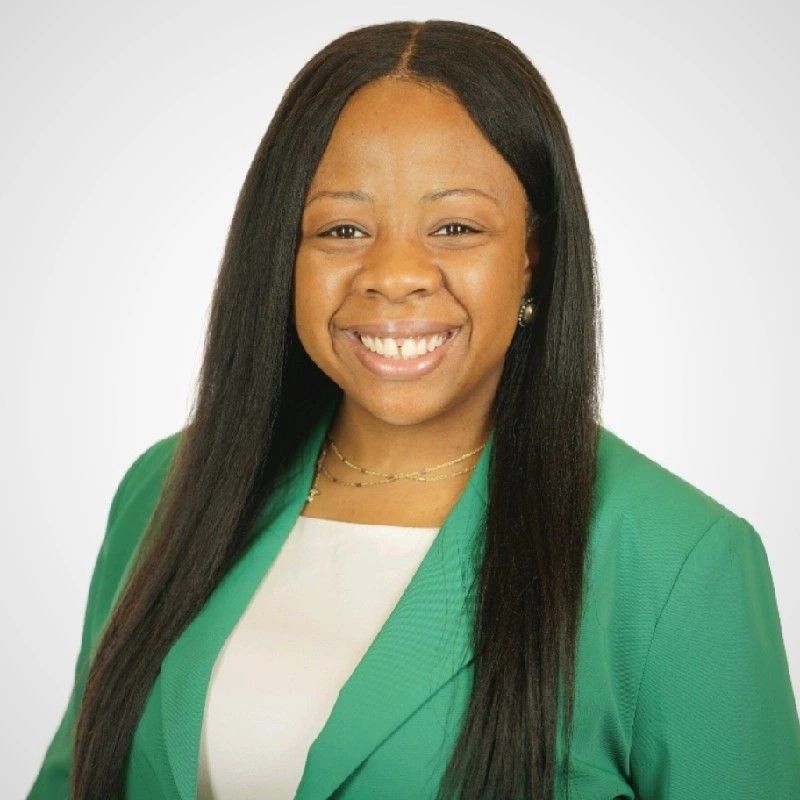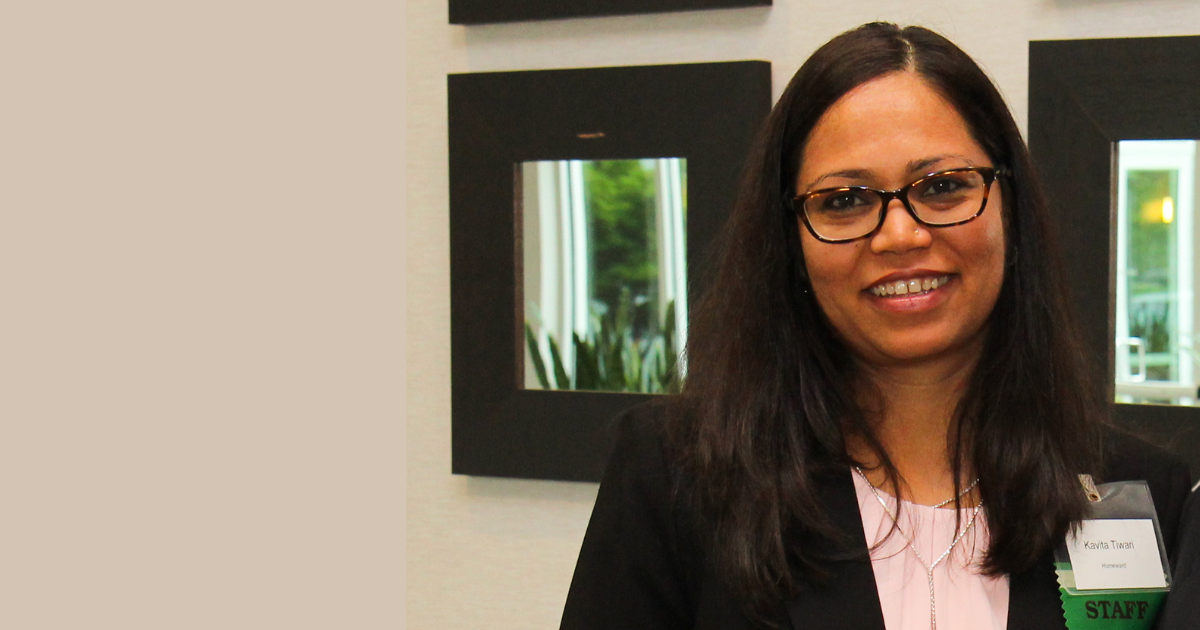

Staff Spotlight: Jen Johnson
"We are always ready for the next opportunity to listen, learn, and share to make it possible for even more people to find a safe and stable place to live."
Q: How did you get into homeless services as a field of work?
A: For me, it all started when I worked at a YWCA in Salt Lake City, Utah, as a teacher in their pre-k center. This YWCA also had a domestic violence shelter. At the same time, I was taking social work classes, and eventually I transitioned to the shelter program, where I worked for about 7 years. I then moved to Virginia and continued to do domestic violence (DV) work. Eventually, a position on the Homeless Connection Line (HCL) opened up. I had previous experience answering DV calls, and a lot of the skills I learned working in DV transitioned well to talking to people in crisis at the Homeless Connection Line.
Since October 2020, I have been working with Homeward to coordinate referrals for housing interventions and working with community partners to help make more connections for our neighbors in need.
Q: Tell us about Homeward’s partnerships with healthcare providers.
A: For many years, we have learned from our surveys of people experiencing homelessness that almost 70% of adults have health insurance coverage, often through a Medicaid managed care organization (MCO). We suspected that many of the individuals being served in our homeless assistance programs were eligible to receive support from MCO care coordinators but there was no clear way to make these connections. When someone is in crisis, they may not be able to keep up with health insurance paperwork or navigate the sometimes difficult process of arranging for services or follow up. We worked to develop a way to share data with MCO’s to provide better service coordination and navigation without compromising an individual’s right to privacy. The agreements we developed have allowed us to coordinate services and provide a model for other service providers around the state. Focusing on the needs of the individuals seeking homeless assistance and helping to make these connections has led to tangible improvements for so many of our neighbors. One gentleman in a local emergency shelter needed a wheelchair in order to search for an apartment. Connecting him to his care coordinator through the MCO enabled them to get a wheelchair to look at houses. Other individuals are able to get support with chronic health conditions while staying in an emergency shelter and to develop a housing and service plan that best meets their needs so that they can focus on improving their health.
Our MCO partners share our belief that stable housing can improve health and we are excited to continue to expand and deepen our partnerships with healthcare service providers.
Q: Do you have any advice for someone new to this work?
A: In this work, you’ll burn yourself out if you’re always looking for the big wins. There’s momentum in small wins, they make the biggest impact when added up. Some people might look out in a field of beautiful flowers and find a weed. And they’ll water that one weed and keep focusing on it. But if you flip it, and look out into a field of weeds, find the one flower. Water that flower. Focusing on the small wins or flowers can help us to grow more flowers together.
Q: What are some parts of your job that you enjoy?
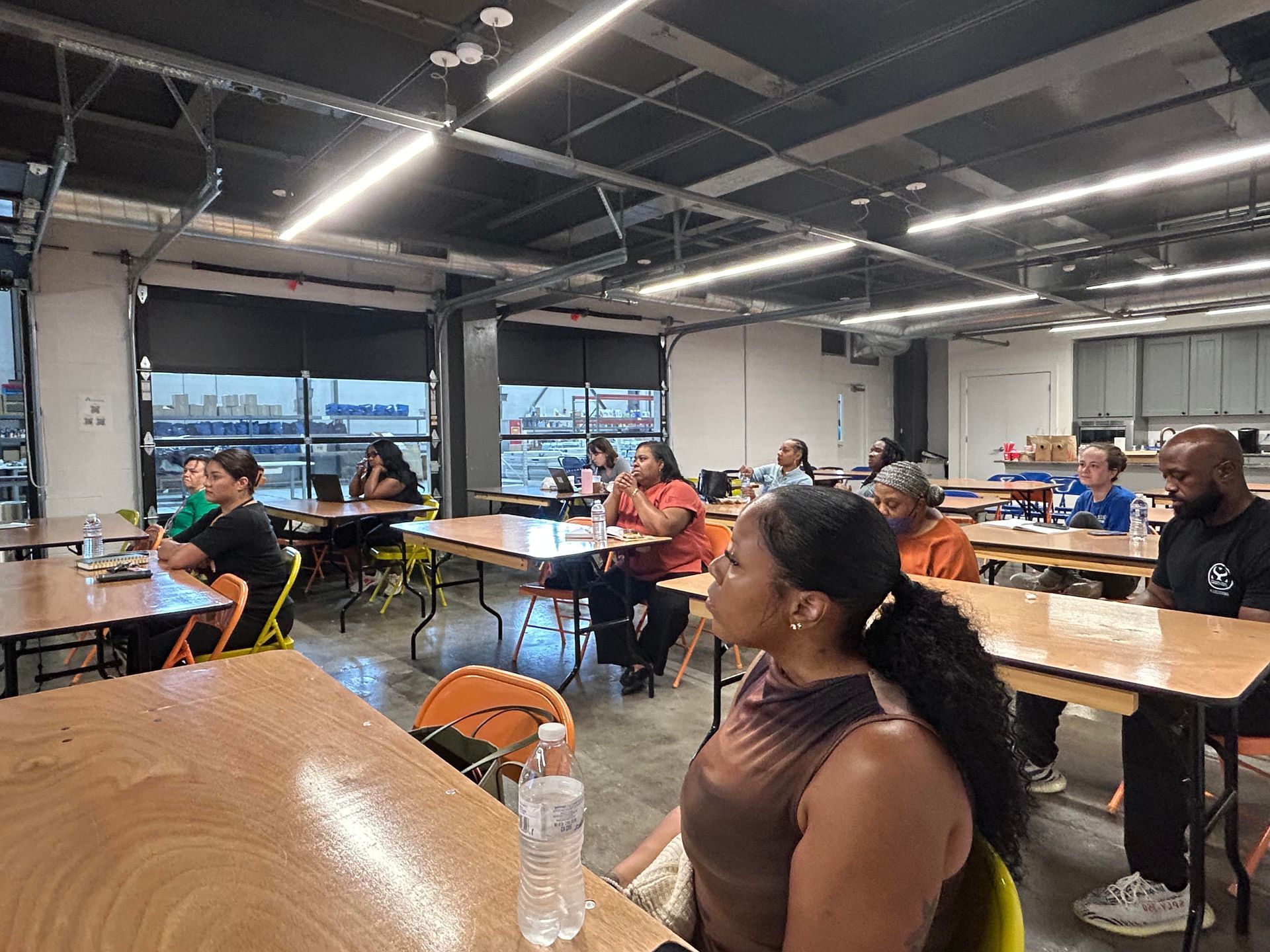
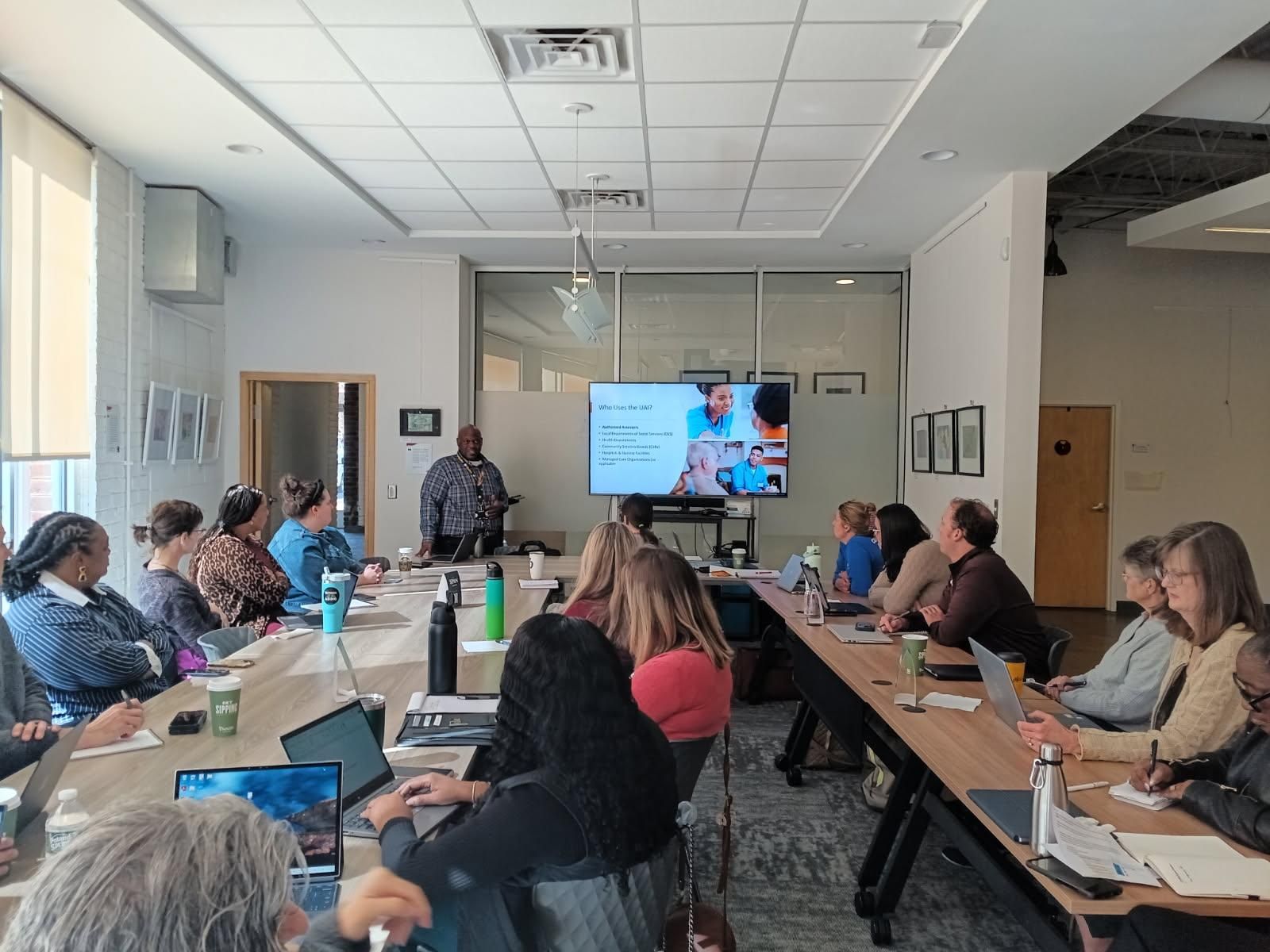
A: This past year I’ve tried to meet more of our partners in person and get to know them more. I have stronger relationships with our partnerships. Someone told me a few months ago, “I never would have thought to reach out to you about a situation, but since I’ve met you I know you’re someone who can help me troubleshoot.”
Another piece of that is, I love to listen. Because I don’t work in direct services, when I meet with our providers and understand their work more, it helps me listen to how we can make changes and how we can improve our shared work. What else do we have to work towards? By listening, I can identify building blocks for developing policy or expanding solutions to common issues.
Q: What motivates you?
A: When I see that things are working better, and problems are improving, or when I’m listening and trying to figure out how to make it better, that motivates me. Making our partner’s jobs easier, making the work feel more connected and better. That motivates me to keep going and keep trying, because at the end of the day it’s helping a person.
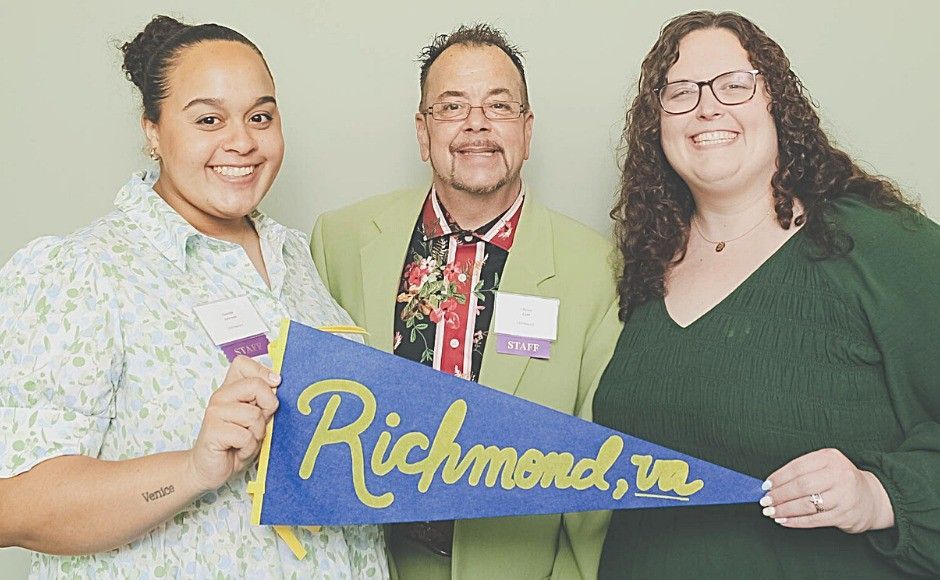
And, meeting the people who are helped to find stable housing reminds me of the value of our “behind the scenes” coordination and problem-solving work. Choice East and I have been working for the last 45 days to connect individuals with long histories of homelessness to a new housing development. We have been working with names on a list and helping to make sure that the housing applications were complete and working to remove obstacles as they came up in a new partnership and referral process. At a meeting at a partner homeless service agency this week, we were able to meet one of these individuals in person. Choice and I reminisced about how we had helped our partners troubleshoot issues with the referral and application process and reduce the stress of the individual and our partners. Our work together has helped more than 37 individuals exit homelessness this past month and we know that these connections are life-changing. We are always ready for the next opportunity to listen, learn, and share to make it possible for even more people to find a safe and stable place to live.