
Homeward Releases Data on Homelessness in the Richmond Region
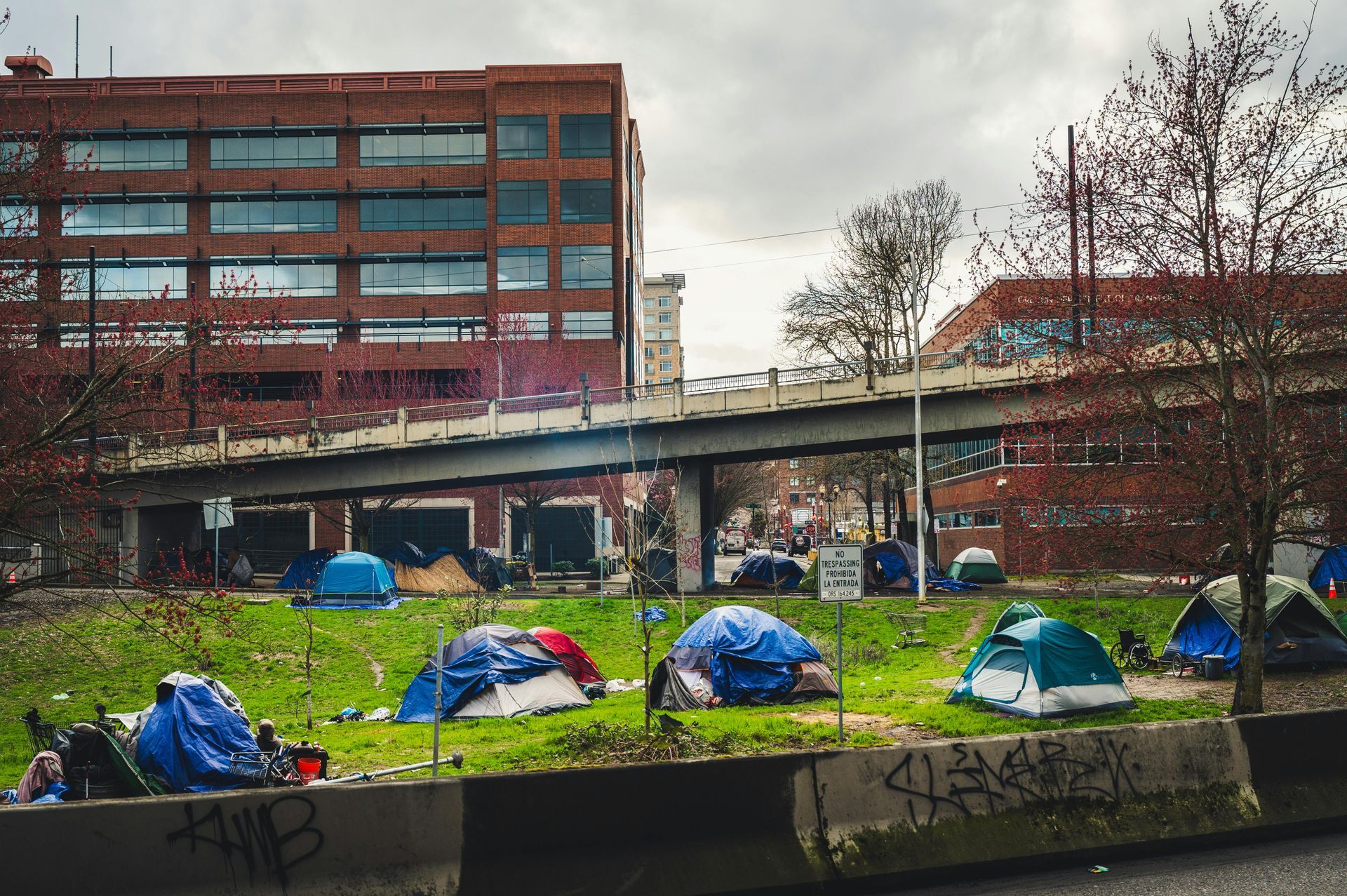
New data from the summer 2026 Point in Time (PIT) count that was conducted on July 23rd and July 24th found that 613 people were experiencing homelessness in our region. Of those individuals, 326 were in shelters and 287 were unsheltered, meaning they lived in a place not suitable for habitation (such as outside or a car).
Economic factors and housing instability continue to be the most common reason for homelessness. More than 46% of individuals surveyed during the summer 2026 PIT count noted economic factors and housing instability as the primary reason for homelessness. This is the largest reason by far and has been the top reason for the past five PIT counts.
The PIT count offers insights into what homelessness looks like in the Richmond region. However, the numbers recorded during a PIT count just capture the number of people experiencing homelessness at a specific time. The story of homelessness is often more complex.
For example, the demand for homeless services continues to be significant. New data from the Homeless Connection Line reported that 4,702 people called the line between July 1, 2025 – June 30, 2026. These callers were eligible for intake or triage and assessment, indicating that they were experiencing homelessness or within three days of losing their housing.
Homelessness Among Older Adults
One clear trend that has been emerging over the past few years is an increase in the number of adults over 60 years old experiencing homelessness in our region. According to the most recent PIT data, 125 older adults were experiencing homelessness, including 64 in shelters and 61 unsheltered individuals. The average age of older adults experiencing homelessness was 68 years old.
Notably, older adults pushed into homelessness face additional challenges to secure affordable homes because they are often on a fixed income and unable to work. Additionally, 62% of older adults surveyed during the PIT count had a disability and 60% surveyed take three or medications.
Invest in Proven Solutions
A positive trend that we see in the PIT numbers over time is that the number of individuals experiencing unsheltered homelessness has declined. The summer 2026 PIT count recorded 287 people experiencing unsheltered homelessness compared to 347 people in the summer 2025 PIT count. Increases in flexible funding and capacity among our regional network of homeless service providers are the two primary reasons for this decrease.
This year marks 29 years of collaboration through the Greater Richmond Continuum of Care (GRCoC), our region’s coordinated and collaborative network of homeless service providers and local governments. The GRCoC is recognized as a national model for collaboration in addressing homelessness. Throughout the GRCoC’s history, capacity of homeless service providers to serve individuals and families experiencing homelessness has grown but remains limited due to a lack of funding.
Solutions that are working right now include case conferencing with cross sector partners, flexible funding that allows agencies to quickly intervene, and the triage and assessment line.
The most impactful support would be additional resources directed to the development of trained, professional staff. More staff at homeless service agencies can make a huge difference in helping our neighbors move from the street or shelter into safe, stable, and permanent homes.
More funding for staffing and supports for households in crisis will be critical for our region to help our most vulnerable neighbors facing the crisis of homelessness.
More Data about Homelessness
For additional data from the summer 2026 PIT count, visit the Point in Time Count page on Homeward’s website.
Our region has a robust and collaborative network of homeless services providers and partners, known as the GRCoC. The GRCoC Annual Report is full of data about our region’s response to homelessness and programs with clear track records of success.
The GRCoC will release its latest annual report on October 8, 2026 as the 3rd Annual Regional Summit on Homelessness. Learn more and register online.