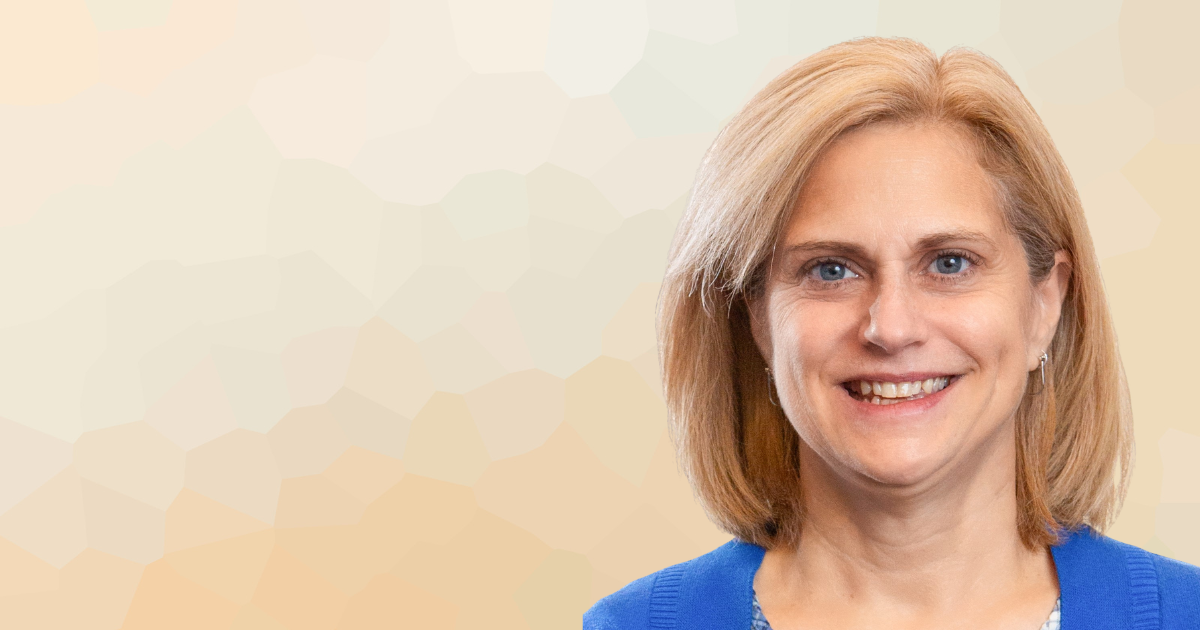

Staff Spotlight: Keandra Davis
"Solving homelessness takes all of us working together. We need collaboration across nonprofit organizations, elected officials, housing developers, healthcare providers, employers, case managers, and people with lived experience."
How did you get into homeless services as a field of work?
After completing my fellowship with Virginia Housing, I knew I wanted to stay in the housing field. I've always been passionate about serving underserved communities, and I was looking for a role where I could work at the intersection of policy, research, programs, and services.
When I read the job description, I thought, "This is exactly what I want to do." The funding side of the work was completely new to me, which made it an exciting challenge. I was also drawn to the opportunity to serve in a leadership role while mentoring and supporting others.
What really stood out was Homeward's mission. I've always felt called to serve people who are often overlooked or neglected. Outside of work, I volunteer through ministries at my church that focus on basic needs – like hot meals, clothing, and food – and recovery for adults struggling with substance use.
During my fellowship, I was trying to figure out where I fit best: direct service, policy, or something else? I realized I naturally approach problems from a strategic, systems-level perspective. I'm a big-picture thinker, and I enjoy finding creative ways to address the root causes of complex issues. That's what ultimately led me to Homeward.
Now that you’ve been in your current role at Homeward for almost a year, what are some takeaways for you?
When I first started, my biggest challenge was learning how the Continuum of Care works and understanding how governance, funding, partnerships, and data all fit together.
One of the parts of my job I've enjoyed most is data analysis. I love digging into HMIS and Point-in-Time Count data to better understand how different factors affect different populations. It's rewarding to uncover trends and identify opportunities to improve our system.
The Point-in-Time Count has also given me opportunities to hear directly from people experiencing homelessness. This year, we asked questions about nutrition, and one gentleman shared that junk food was the only thing he could consistently access. Conversations like that remind me that the data represents real people with real experiences.
What have you been working on recently?
One project I'm especially excited about focuses on health and nutrition among older adults experiencing homelessness. We're partnering with VCU researchers to better understand how nutrition impacts older adults and to examine heart health among people staying in shelters. Together, we're looking at how we can improve those health outcomes from a systems perspective.
Another exciting initiative is helping develop a new research committee that brings together professors and researchers from multiple universities and disciplines to strengthen research around homelessness.
Is there anything you wish more people understood about homelessness and homeless services?
I think one of the biggest misconceptions is that there's a single solution to homelessness. In reality, homelessness is driven by a combination of systemic, historical issues that have developed over many years, like housing shortages, poverty, healthcare access, wages, and funding limitations.
Solving homelessness takes all of us working together. We need collaboration across nonprofit organizations, elected officials, housing developers, healthcare providers, employers, case managers, and people with lived experience.
There are so many incredible programs helping people every day, but many of those efforts are responding to crises that could be prevented if we addressed the underlying causes. Stable housing affects everything else. Without it, people often experience worsening mental health, physical health challenges, and employment instability. Housing creates the foundation that allows people to begin rebuilding other areas of their lives.
What motivates you?
People! I truly believe in serving others and using my gifts to make a positive impact in my community. What motivates me is seeing people find housing, stability, community, and hope. This drive is rooted in my faith as I strive to serve others in lots of ways.
I'm passionate about helping people who feel overlooked, forgotten, or like their lives don't matter. Everyone deserves dignity, opportunity, and the chance to succeed. Being able to help remove barriers and support people as they move toward stability is what drives me every day.
In addition to her work at Homeward, Keandra is pursuing a Ph.D. in Public Administration and Policy at Virginia Commonwealth University, with a concentration in Urban Policy. Her dissertation examines how multiple forms of vulnerability (housing inequity, economic instability, and emergency management) intersect for people living in flood-prone, high-risk communities. She is especially interested in understanding how these overlapping challenges influence outcomes for vulnerable populations and how policy can better address those inequities.